SKU : AH010P-VEC
In Stock
Arrows Hobby Bigfoot 1300mm STOL Bush Plane PNP w/ Vector Flight Stabiliser
Now $323.99
Sale
PART FINDER (Under Construction)
If you’ve made the decision to become an RC pilot, the first step is to find your first RC trainer plane! Finding the best RC plane for beginners is an exciting milestone. Trainer models help new pilots build essential flight skills. At RCMA Model & Hobby Shop, we specialise in providing a wide selection of trainer RC planes designed to help beginners master the skies.
Choosing among beginner RC planes depends on your skill level, size, and available flying space. From ready-to-fly models to versatile bind-n-fly and plug-n-play options, browse our collection to find the perfect trainer to kickstart your piloting journey. Browse the models below or keep reading to learn how to choose an RC trainer plane.
Arrows Hobby Bigfoot 1300mm STOL Bush Plane PNP w/ Vector Flight Stabiliser
Now $323.99

FMS 1220mm Ranger EP RTF Red With Reflex V3 Mode 1
Now $382.50

FMS 1300mm PA-18 Super Cub with Reflex V2 Mode 2 RC Plane RTF
Now $508.50

FMS Kingfisher PNP 1400mm (55.1") w/ Wheels, Floats, Skis, Flaps, Reflex FMS103PF
Now $431.99
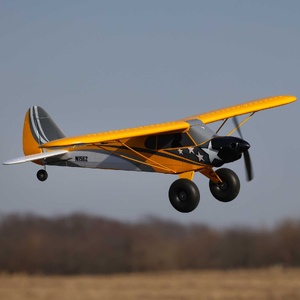
HobbyZone Carbon Cub S 2 1.3m RTF Basic, Cleetus McFarland
Now $539.99

Champ Anniversary Special Edition 515mm BNF Basic with SAFE
Now $179.99

E-Flite Apprentice STS 1.5m BNF Basic Smart Trainer with SAFE
Now $494.09

E-Flite Apprentice STS 1.5m RTF Basic Smart Trainer with SAFE Mode 1
Now $576.00

E-Flite Apprentice STS 1.5m RTF Basic Smart Trainer with SAFE Mode 2
Now $576.00

FMS 1220mm Ranger EP RTF Red With Reflex V3 Mode 2
Now $382.50

FMS 1220mm Ranger RTF Green W\Reflex V3 Mode 2 RC Plane
Now $382.50

FMS 1220mm Ranger RTF Yellow W/Reflex V3 Mode 1 RC Plane
Now $382.50

FMS 1220mm Ranger RTF Yellow W/Reflex V3 Mode 2 RC Plane
Now $382.50

FMS 1300mm PA-18 Super Cub with Reflex V2 Mode 1 RC Plane RTF
Now $508.50
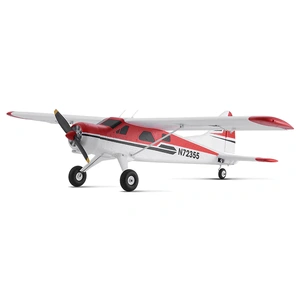
FMS 800mm DHC-2 Beaver RTF RC Bush Plane with Gyro & GPS Return – Red, Mode 1
Now $269.99
FMS 800mm DHC-2 Beaver RTF RC Bush Plane with Gyro & GPS Return – Red, Mode 2
Now $269.99
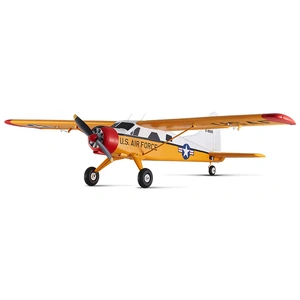
FMS 800mm DHC-2 Beaver RTF RC Bush Plane with Gyro & GPS Return – Yellow, Mode 1
Now $269.99

FMS Ranger Trainer 850mm RC Plane Ready To Fly GPS Mode 1 FMS123R
Now $346.50

FMS Ranger Trainer 850mm RC Plane Ready To Fly GPS Mode 2 FMS123R
Now $346.50

FMS Trainer 1220mm Super EZ V4 RTF kit - float included Mode 1 (Reflex Stabilizer included)
Now $400.49

FMS Trainer 1220mm Super EZ V4 RTF kit - float included Mode 2 (Reflex Stabilizer included)
Now $400.49
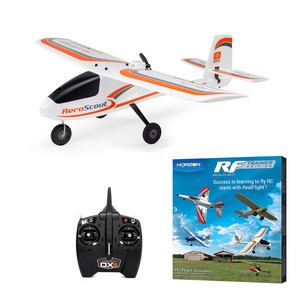
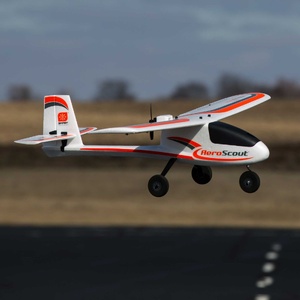
HobbyZone AeroScout S 2 1.1m RTF Basic with SAFE and RealFlight - HBZ380002
Now $386.99

HobbyZone Apprentice STOL S 700mm BNF Basic with SAFE RC Plane
Now $283.50

HobbyZone Apprentice STOL S 700mm RTF with SAFE RC Trainer Plane
Now $373.49
The best RC plane for beginners behaves predictably and allows room for minor control errors. Beginner-friendly aircraft generally prioritise design geometry, such as high-wing configurations that lower the centre of gravity to keep the plane upright and dihedral wing angles that naturally enhance self-righting tendencies.
At RCMA Model & Hobby Shop, we stock beginner RC planes from the world’s leading brands, ensuring you get the best quality and performance for learning to fly. Our selection includes trusted names like E-Flite, FMS, HobbyZone, Prime RC, and many others. These planes are specifically designed to make your first flights easier, offering stability, durability, and user-friendly features to help build confidence in the air.
What makes an RC plane easy to fly? It comes down to how the aircraft behaves in the air. Key attributes defining the easiest RC plane to fly include:
So, what is the best type of RC plane for a beginner? A high-wing electric trainer with these design features is the most dependable starting point for new pilots.
Deciding should a beginner choose an RTF, BNF or PNP plane depends entirely on your gear.
Most of our RC trainer planes are ready-to-fly (RTF) models, designed to get you in the air with minimal setup. These planes come fully assembled, with everything you need to start flying right out of the box (a battery & charger may need to be purchased separately for some models), making them ideal for beginners who want to focus on learning without the hassle of complex assembly. Standout RTF RC plane models to consider:
Bind-n-fly (BNF) trainer RC planes come nearly assembled and require a compatible transmitter, battery, and charger to get started. The Carbon Cub S2 is a top choice for new pilots, offering versatile flight modes and optional SAFE Plus GPS-enabled technology for enhanced learning. Its robust build and smart components, like telemetry-capable ESC, make it perfect for both beginners and even seasoned flyers.
Plug-n-play (PNP) models, like the Prime RC T1400 glider, come with pre-installed electronics but require your own transmitter, receiver, battery, and charger. This durable glider excels with its pusher propeller design and relatively easy assembly, making it ideal for quick, enjoyable flights. Its lightweight, high-density EPO construction ensures great performance and easy transport. Both BNF and PNP models are excellent for refining your skills, with options to suit various learning stages and flying environments.
|
Completion Level |
Included in Box |
Required to Complete |
Ideal Pilot Profile |
|
RTF (Ready-To-Fly) |
Airframe, transmitter, battery & charger |
May need a battery and charger for some models |
First-time flyers seeking a complete package |
|
BNF (Bind-N-Fly) |
Airframe & receiver |
Transmitter, battery & charger |
Pilots owning a transmitter |
|
PNP (Plug-N-Play) |
Airframe & motor/servos |
Receiver, transmitter, battery & charger |
Flyers wanting custom gear |
Size changes how easily you can see, fly and store your plane. A wingspan of roughly 1.1 to 1.4 metres is a popular middle ground for beginners.
It helps, though it isn’t compulsory. Stabilisation and assisted flight modes reduce unwanted aircraft movement and make the controls more manageable while you’re learning. Many beginner models, including the SAFE-equipped planes in our range, let you reduce that assistance as your skills grow.
Check each listing against this list before you buy:
Many trainers are electric, and our RC electric plane kits cover more options once you’re comfortable flying.
Look for a large, open area away from people, roads, power lines and trees, and fly in light wind. A local model flying club is often the best place to start, because it can offer a suitable site, instruction and help with repairs. Parks and ovals aren’t automatically suitable, so check council rules and CASA’s current recreational flying rules first. This is general guidance only, not formal safety or legal advice.
At RCMA Model & Hobby Shop, you will find the best selection of premier RC trainer planes in Australia, so simply find a model you like and place your order online or visit our store in Brendale, Queensland, to make a purchase.
On the other hand, if you are interested in something more than RC trainer planes, we have many types of RC planes for you to choose from, including:
Whatever you choose, the process is the same - place your order online and we will ship the model to your address or buy it in person at our store. Plus, feel free to contact us if you need assistance; we are here to help you choose and answer any questions you have!
Should a beginner choose an RTF, BNF or PNP RC plane?
Most beginners should choose an RTF RC plane because the plane, transmitter, battery and charger arrive together. Choose a BNF RC plane if you already own a compatible transmitter. Pick a PNP RC plane if you’re happy to install your own receiver.
Do I need a flight simulator before flying an RC trainer plane?
No, but it helps. A simulator lets you practise orientation and stick control without risking your plane, so your first RC plane flying experience feels more familiar.
What happens if I damage my trainer plane while learning?
Foam airframes can often be repaired with foam-safe glue, and RCMA stocks replacement parts, so a crash rarely means starting over.